How to Play
How to Play
Welcome to Box of Humanity!
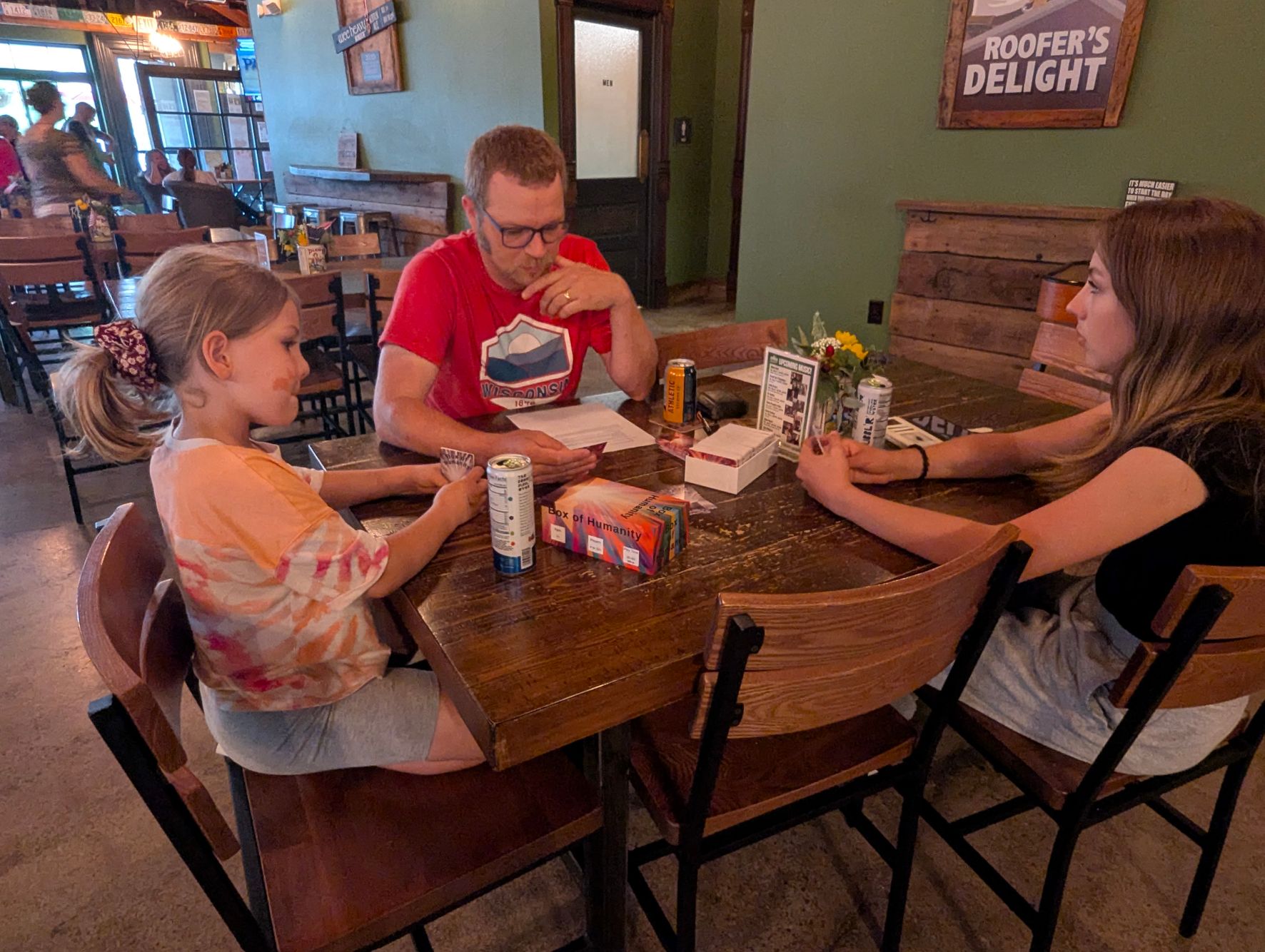
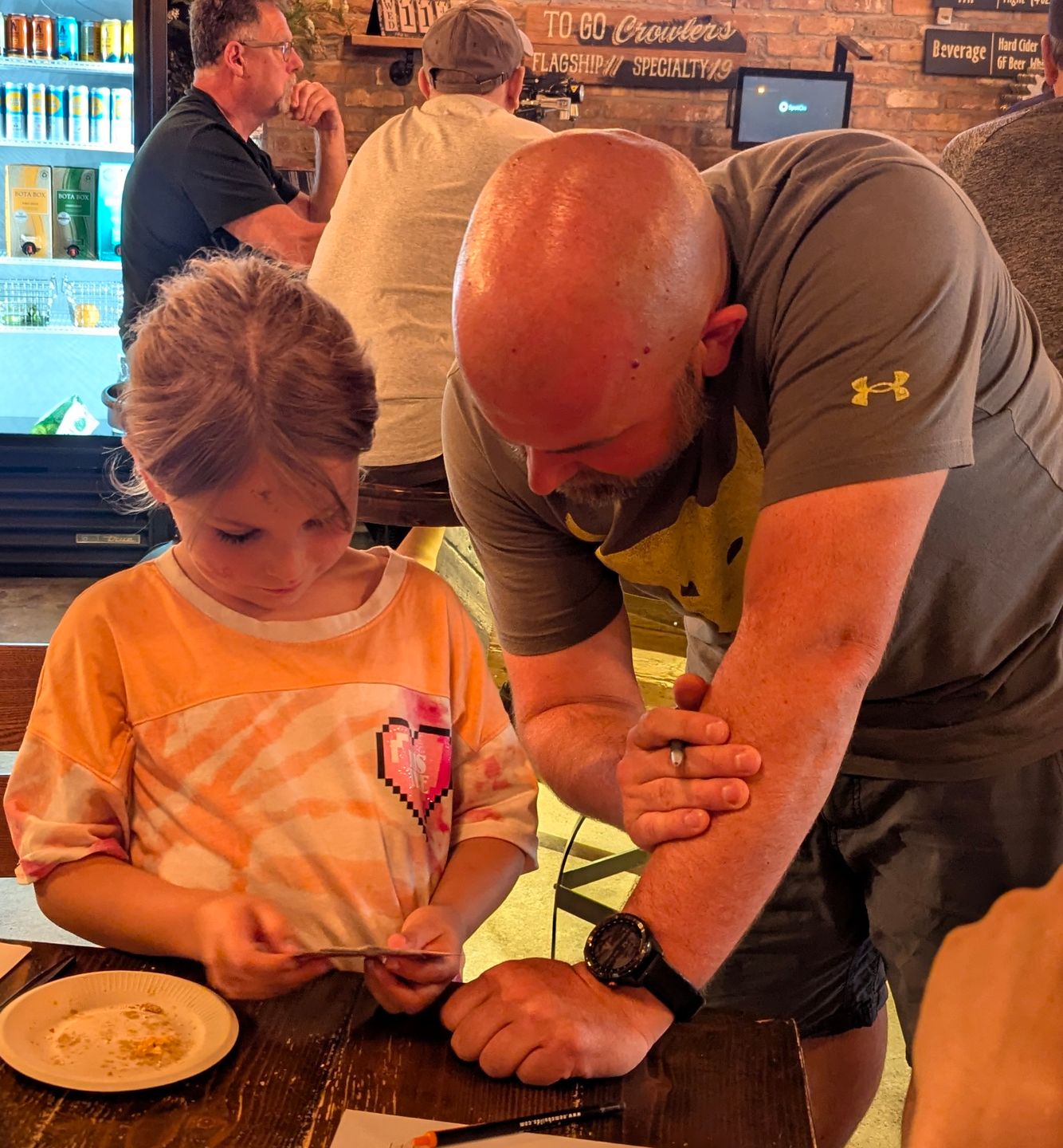
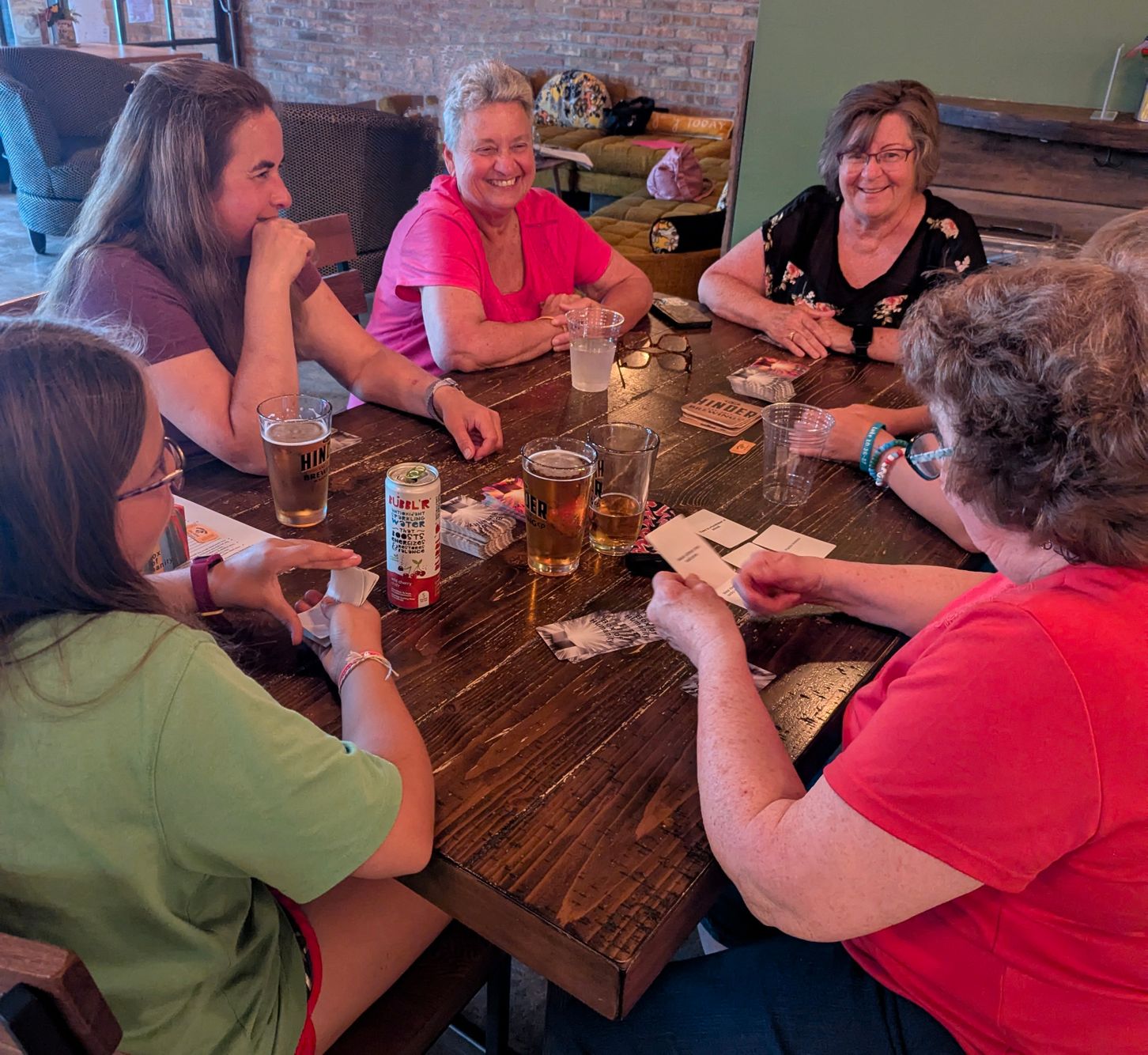
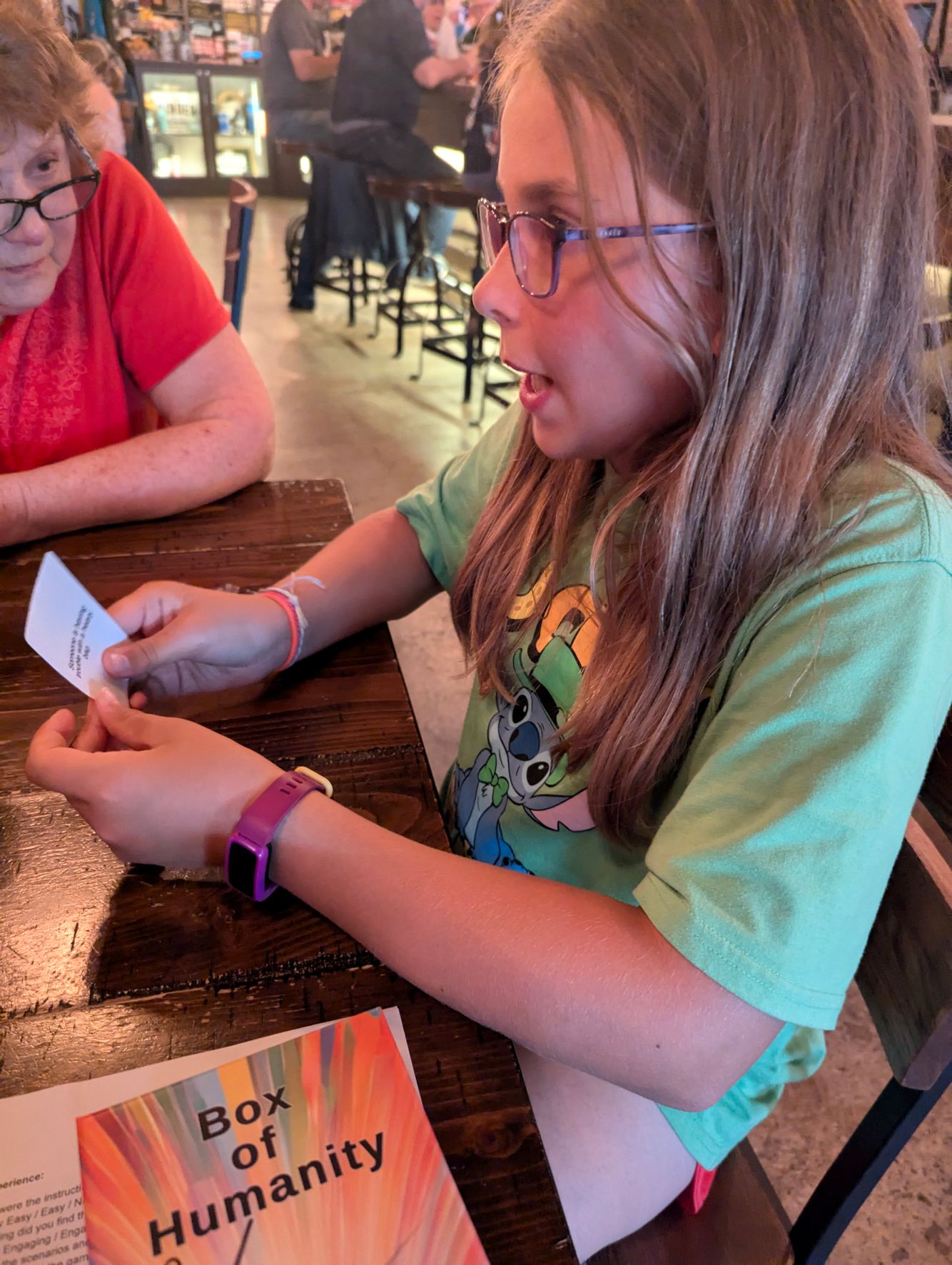
Box of Humanity is a game designed to spark conversations about kindness, empathy, and how we can respond to different situations. By exploring real-life scenarios and choosing compassionate actions, we learn to understand different perspectives and build important social-emotional skills. Get ready to discuss, reflect, and discover the power of positive choices! For the competitive at heart Box of Humanity has that too.
ABOUT THE GAME
Cooperative Play Rules
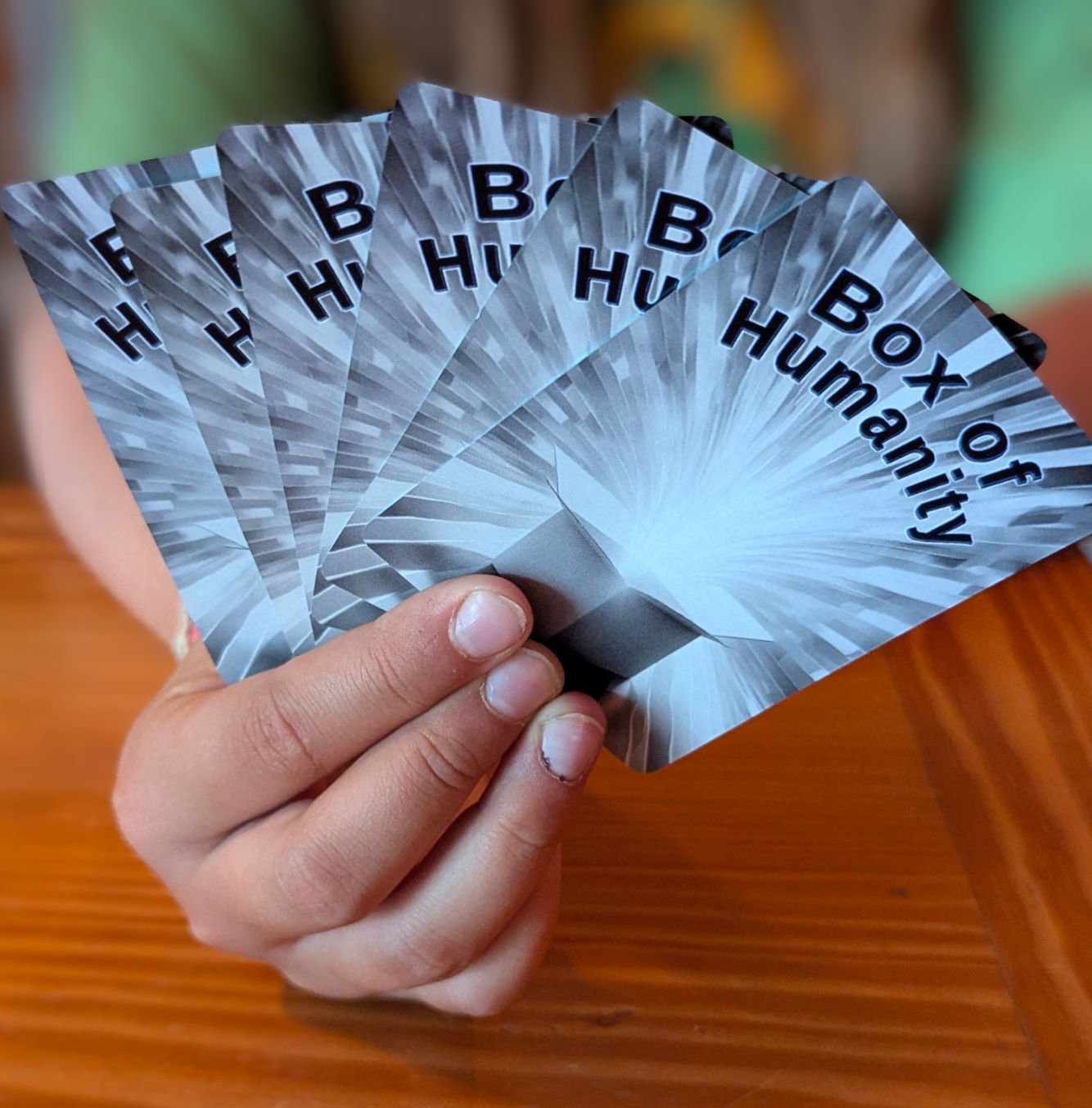
- Set-up: Shuffle the cards if you wish and then make separate piles of Action Cards and Situation Cards. Each player should start the game with 6 Action Cards. These can be dealt out or drawn from the pile.
- The Card Reader: One player is chosen as the Card Reader for the round. This role can rotate each round. A creative way to figure out the first Situation Card reader is the player whose birthday is next gets to be the first reader. If two or more players have birthdays on the same day, they should decide among themselves who will be the first reader (Rock-paper-scissors is a good way!).
- Read the Scenario: The Card Reader draws a Scenario Card and reads it aloud.
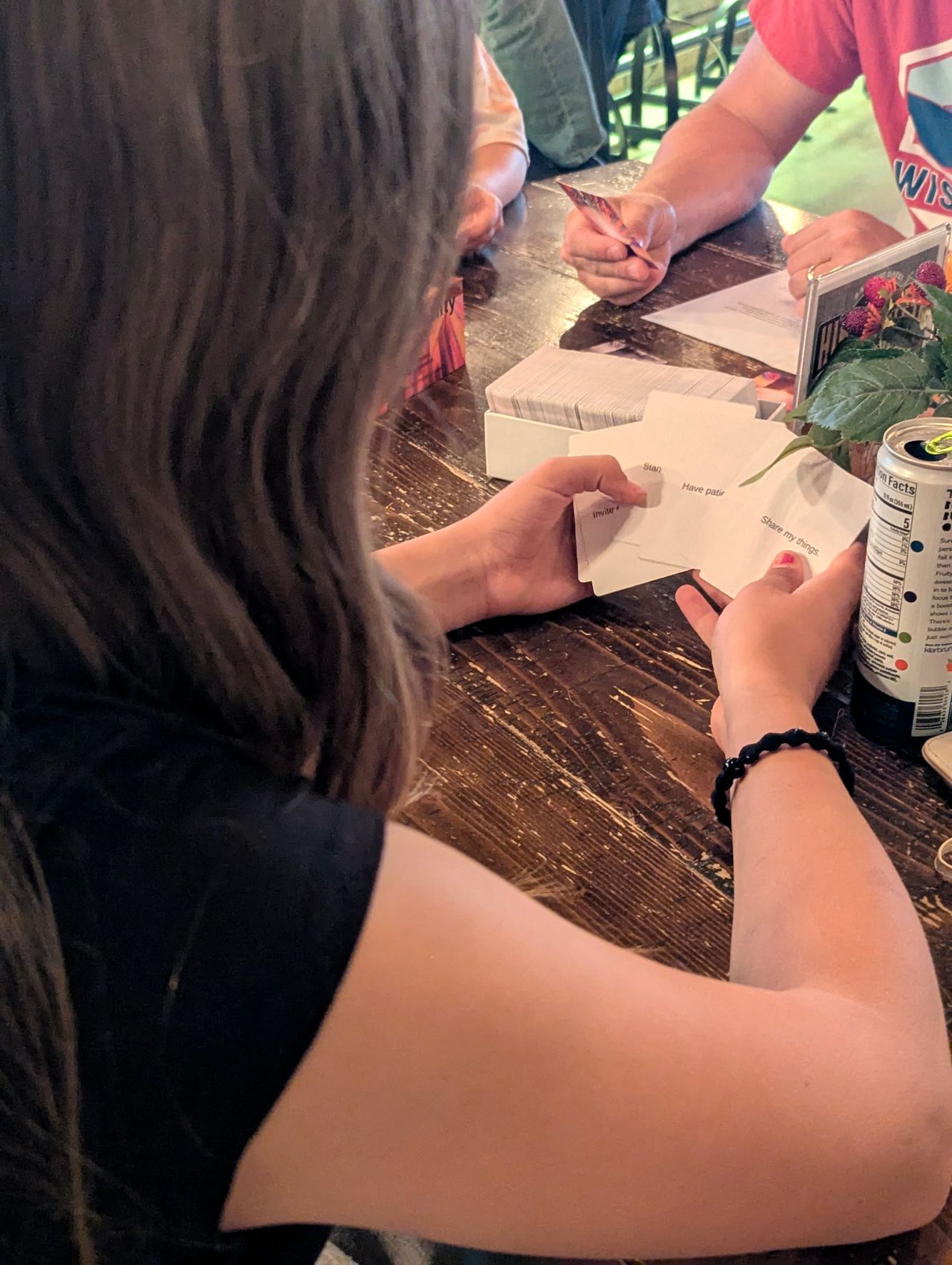
- Choose a Response: Each player (including the Card Reader) either plays a Response Card face down or suggests their own action. If suggesting an action, briefly explain why they think it's a good choice.
- Discuss and Decide: The group discusses the different response options, considering potential consequences and different perspectives. The Card Reader facilitates the discussion.
- The Compassionate Choice: The group collaboratively decides which response is the most compassionate and constructive. There may not be a single "right" answer, and that's okay! The goal is thoughtful discussion.
- [Optional: Reflection Question]: After choosing a response, consider a reflection question like: "How might this action make others feel?" or "Have you ever experienced a similar situation?"
- Next Round: The role of Card Reader passes to the next player, and a new round begins.
- End of Game: Once each person in the group has had a chance to read a situation card.
Competitive Play Rules
- Follow steps 1-3 of the Cooperative Play rules.
- Play: Each player, except the Card Reader, chooses an Action Card they believe fits the scenario best and gives it to the Card Reader, face down. The Card Reader then mixes up the responses. Players will draw a new action card each round so that they always have 6 cards in their hand.
- Point Awarding: The Card Reader then reads each Action Card aloud, choosing which one they think fits best for the scenario. Remember no answers are wrong. The person who played the Action Card that the reader selected gets to keep the Scenario Card that was read.
- Winning the Game: The player who wins 5 Scenario Cards wins the game!
Discussion Suggestions:
When you purchase Box of Humanity you will receive a free Facilitators Guide download via email. These resources can help you facilitate deeper conversations and explore the themes of the game further. For visual learners you can purchase digital illustrations of the Scenario Cards on the website.
Components: 100 Colored Situation Cards - 400 Black & White Action Cards - Rule Pamphlet
Age Range: 7+ | Number of Players: 4-10+
Facilitator's Guide
Welcome to "Box of Humanity"! This guide is designed to help you facilitate engaging and meaningful discussions using the game's Scenario and Response Cards. "Box of Humanity" aims to promote positive values, empathy, and caring behavior in a fun and interactive way.
Creating a Safe Space:
- Establish ground rules for respectful communication.
- Encourage active listening and open-mindedness.
- Assure participants that there are no "right" or "wrong" answers, only opportunities for learning.
Game Components:
- Scenario Cards: Present real-life situations requiring ethical decision-making.
- Response Cards: Offer positive action choices.
- This guide: Provides discussion prompts and facilitation tips.
Scenario Discussions (Examples)
Scenario Card Example: "A new student is sitting alone at lunch. What do you do?"
Discussion Prompts:
- "How might the new student be feeling?"
- "Why is it important to make people feel welcome?"
- "What are some ways to show kindness to someone who is alone?"
- "Have you ever been in a similar situation?"
Scenario Card Example: "You see someone being teased online. How do you respond?"
Discussion Prompts:
- "What are the potential consequences of online teasing?"
- "How can you be an ally to someone being bullied?"
- "What does it mean to be a responsible digital citizen?"
- "How does it feel to be the person being teased?"
Response Card Analysis (Examples)
Response Card Example: "Invite them to sit with you."
Discussion Points:
- "What positive impact could this action have?"
- "What are the challenges of doing this?"
- "How might this help the new student feel more comfortable?"
Response Card Example: "Report the online teasing to a trusted adult."
Discussion Points:
- "Why is it important to seek help in bullying situations?"
- "How can reporting bullying help prevent future incidents?"
- "Who are trusted adults in your life?"
Age-Specific Adaptations
Ages 7-9:
- Simplify language and explanations.
- Focus on concrete examples and actions.
- Use visual aids and role-playing.
Ages 10-12:
- Encourage more in-depth discussions.
- Explore complex ethical dilemmas.
- Connect scenarios to real-world issues.
Important Notes for Facilitators:
- Be patient and supportive.
- Encourage all participants to share their thoughts and feelings.
- Adapt the game and discussions to the specific needs of your group.
- Have fun!



Buy Box of Humanity Today
Lorem ipsum dolor sit amet, consectetur adipiscing elit. Nam ut faucibus nisl. Lorem ipsum dolor sit amet, consectetur adipiscing elit. Vivamus non est at nulla posuere efficitur. Praesent fringilla, eros sit amet pretium pulvinar, ante sapien ultricies enim, in varius ipsum nulla consequat ligula.