
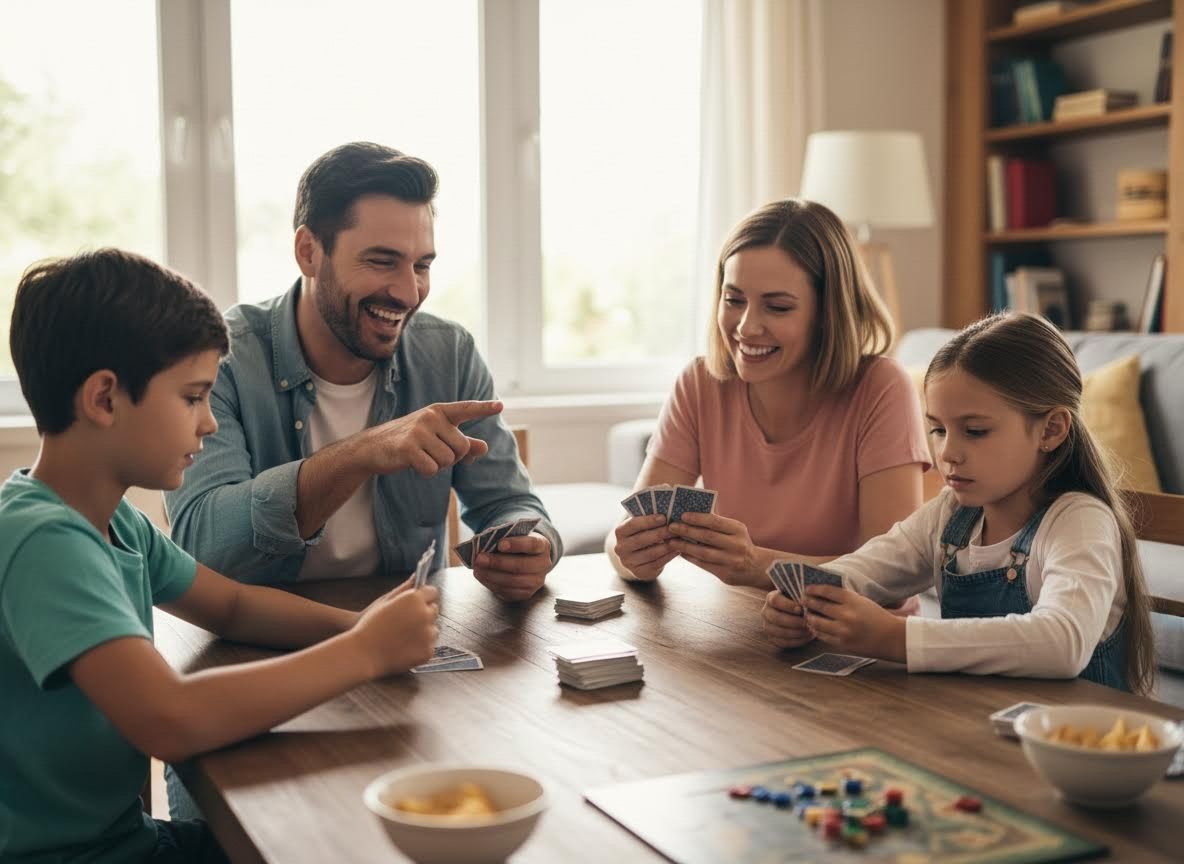
Empathy is often talked about as if it were a rare, inherent trait—something you are either born with or you aren't. But the truth is much more hopeful: empathy is a muscle. It is a skill that can be nurtured, practiced, and strengthened over time, in a world that frequently pulls us toward screens and isolation. Finding natural ways to exercise that muscle is essential.
At Box of Humanity, we’ve discovered that one of the most effective, accessible, and enjoyable ways to awaken empathy is by combining it with something universally loved: play. When play is infused with purpose, it ceases to be just a way to pass the time and transforms into a powerful tool for human connection.
Here is how purposeful play can awaken empathy in both children and adults alike:
Practicing in a Safe Space
To understand another person’s perspective, we have to be willing to step outside our own. In the real world, this can feel intimidating or vulnerable. A game, however, provides a "magic circle"—a safe, structured environment where the stakes are low but the lessons are real.
When a game introduces real-life, relatable scenarios, players are invited to navigate social dynamics without the fear of real-world consequences. It allows a child to ponder, "What would I do if my friend felt left out?" or "How do I handle it when things don't go my way?" By practicing these choices at the game table, players build the emotional muscle memory needed to act with kindness when similar situations arise in real life.
The Power of Laughter and Vulnerability
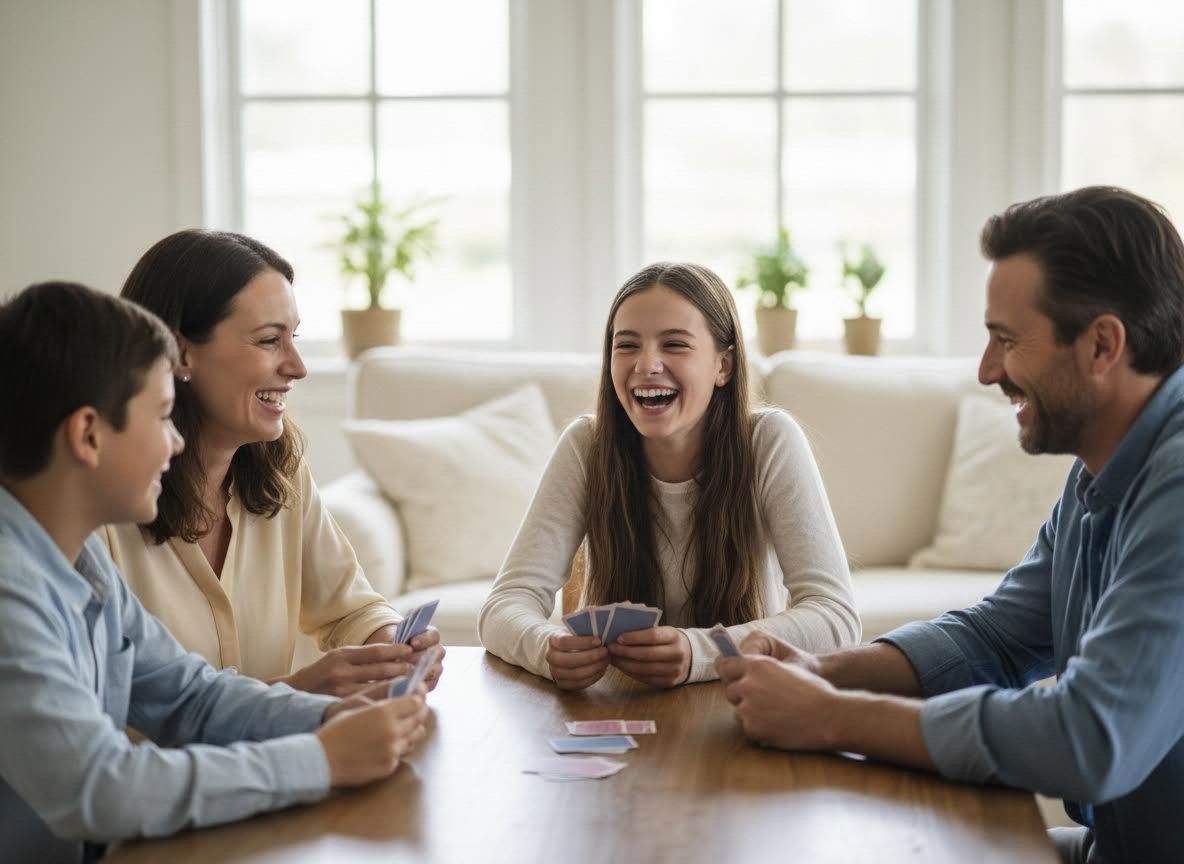
It is incredibly difficult to be empathetic when our guards are up. This is where the magic of "play" truly shines. Games naturally elicit joy, surprise, and laughter.
When you share a goofy moment or a ridiculous scenario with your family, the walls come down. Laughter releases tension and builds immediate trust. Once that trust is established through fun, transitioning into a meaningful conversation about a positive choice or an ethical dilemma feels natural and organic, rather than forced or like a lecture. Joy opens the door; empathy walks through it.
Shifting from "Me" to "We"
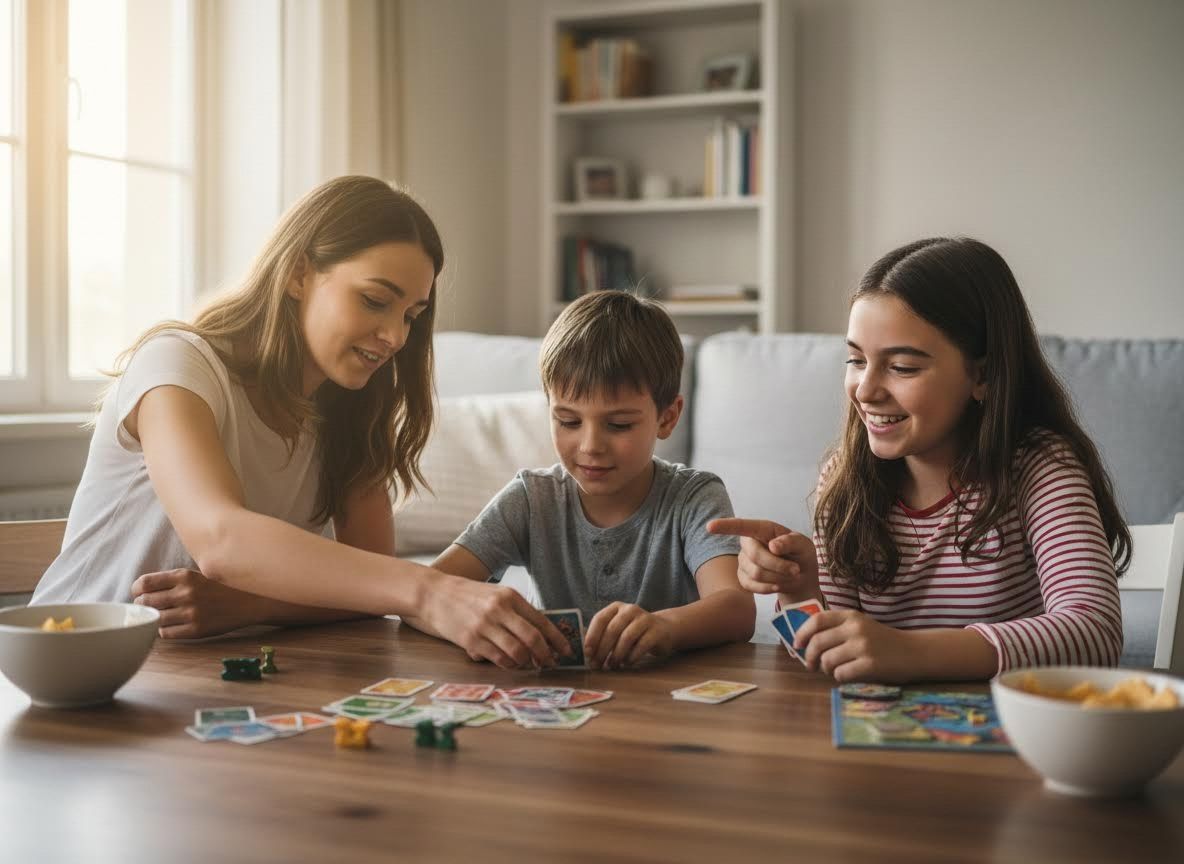
Many traditional games focus entirely on individual victory—accumulating the most points or crossing the finish line first. While healthy competition is great, purposeful play shifts the focus from the individual to the collective.
Games that prioritize character-building encourage players to listen to one another, discuss different viewpoints, and celebrate positive choices together. It teaches players that success isn't just about winning the hand; it's about how you treat the people playing the game with you. This subtle shift from a "me" mindset to a "we" mindset is the very foundation of social consciousness.
Creating a Ripple Effect
The beauty of awakening empathy through play is that the effects do not stay at the table. The conversations sparked during a family game night plant seeds that continue to grow. A child who learns to articulate their feelings and consider the feelings of others during a game will carry those skills into their classrooms, their friendships, and eventually, their communities.
When we play with purpose, we aren't just entertaining ourselves for an evening. We are actively shaping a kinder, more understanding generation.
Ready to Play with Purpose?
You don't need a classroom or a textbook to teach empathy—you just need a table, a deck of cards, and a willingness to laugh together. Box of Humanity brilliantly bridges the gap between delightfully silly playtime and meaningful character building. Gather your family!